
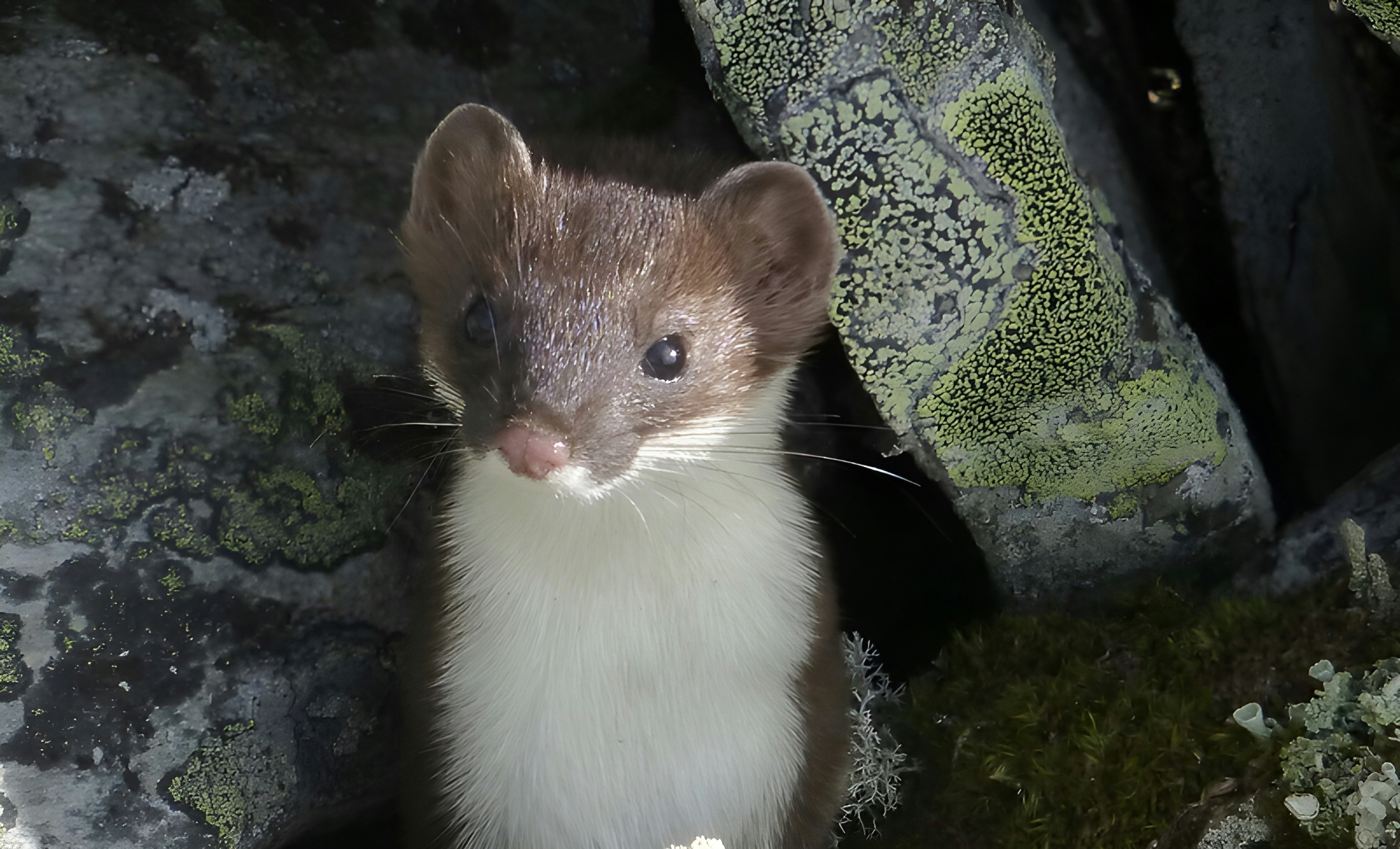
Overview of the Least Weasel
The least weasel (Mustela nivalis), known for its small size and remarkable hunting skills, is one of the smallest members of the weasel family. Often found in various habitats across Europe, Asia, and North America, this fascinating creature has evolved to become an efficient predator, specializing in capturing small mammals such as voles and mice.
Physical Characteristics
The least weasel typically measures around 7 to 10 inches in length, including its tail, with a body weight ranging from 1 to 4 ounces. Its fur is usually brown during the summer months but can turn white in winter in colder regions, a characteristic known as seasonal camouflage. This adaptation allows the least weasel to blend seamlessly into snowy environments, aiding in its ability to hunt prey.
Habitat and Behavior
Least weasels are incredibly adaptable and can thrive in a variety of environments, including grasslands, forests, and wetlands. They are solitary creatures and are known for their relentless hunting tactics. Their agility and speed make them adept at pursuing small animals, and they can consume prey equal to or greater than their own body weight. Despite their size, least weasels have a robust role in controlling rodent populations, making them significant players in their ecosystems.
In conclusion, the least weasel symbolizes nature’s efficiency and adaptability. Its role as a tiny predator highlights the intricate balance in ecosystems and the importance of conservation efforts to preserve such unique species.