
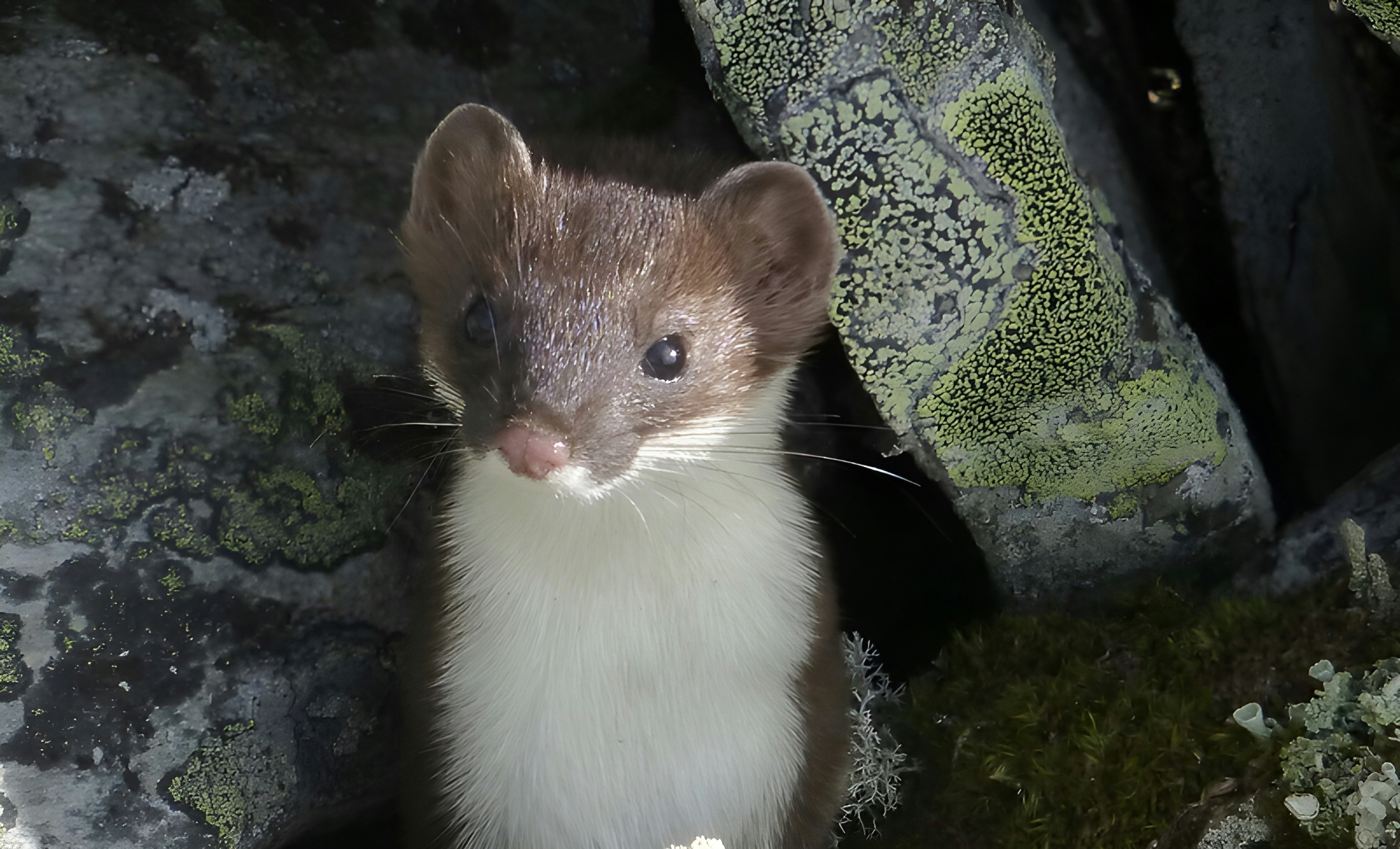
Introduction to the Least Weasel
The least weasel, known scientifically as Mustela nivalis, is the smallest member of the weasel family. These fascinating creatures are not only known for their diminutive size but also their intriguing behaviors. In this post, we will delve into the behavior and habitat of the least weasel, helping you understand why they are an essential part of their ecosystem.
Behavioral Traits of the Least Weasel
Least weasels are notorious for their inquisitive and active nature. They are primarily solitary animals and are highly territorial, often marking their territories with scent. Their agility and dexterity allow them to hunt small rodents, which comprise a significant portion of their diet. During the breeding season, males become more vocal, using a series of chirps and whistles to attract females. This vocalization increases during the mating season, highlighting their reproductive behaviors.
Habitat Preferences of the Least Weasel
Least weasels thrive in a variety of habitats, but they tend to favor open fields, grasslands, and woodland edges. These environments provide ample cover and hunting opportunities. They typically burrow into the ground or use existing rodent tunnels for shelter. The presence of bushes and dense vegetation is crucial as it offers protection from predators while allowing them easy access to food sources. Understanding the habitat preferences of the least weasel helps in the conservation of their populations and the ecosystems they inhabit.