
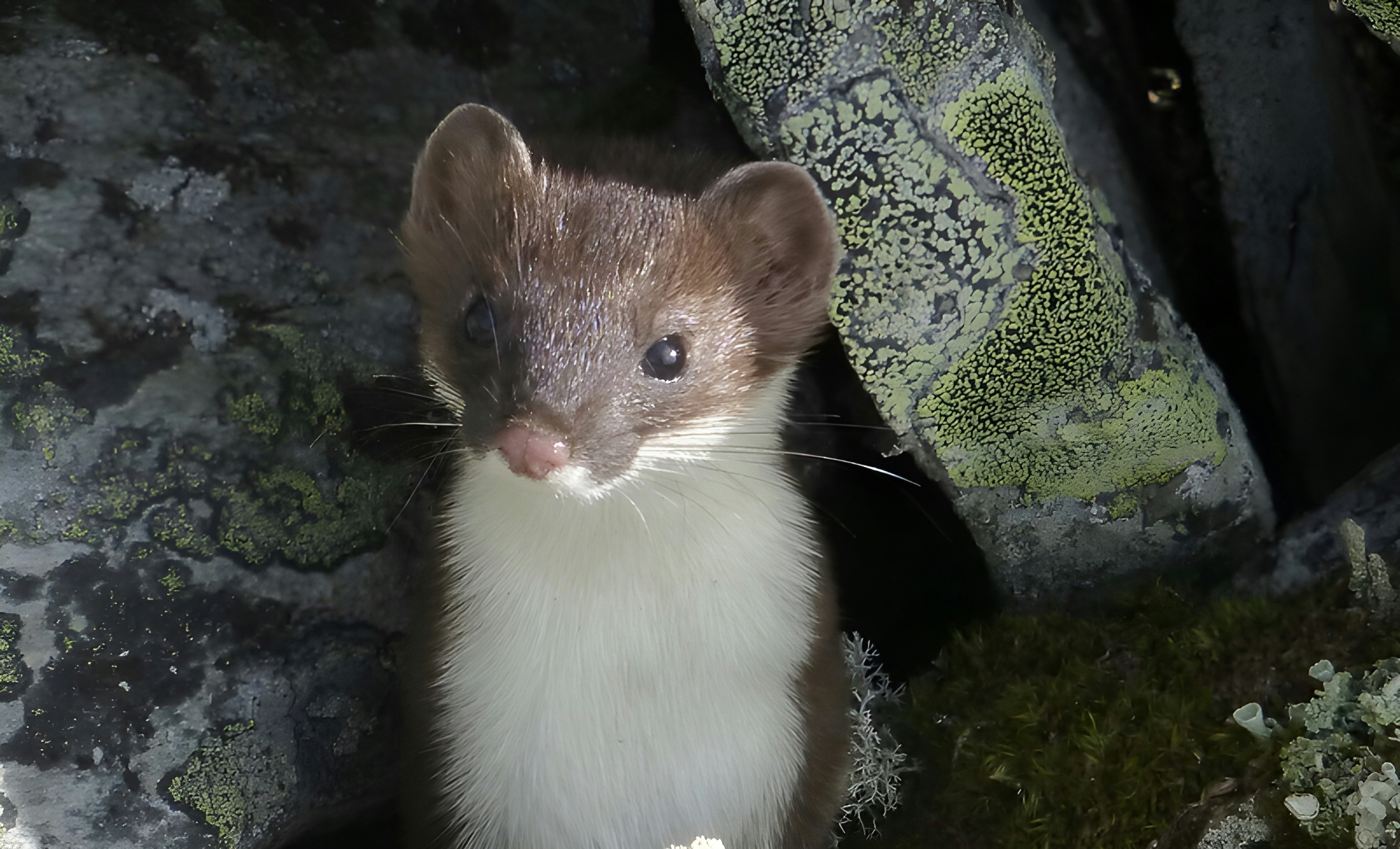
Introduction to the Least Weasel
The least weasel, scientifically known as Mustela nivalis, is the smallest member of the weasel family. These agile creatures are found across a range of habitats, from woodlands to grasslands. They are known for their slender bodies, which can measure only about 5 to 12 inches in length, and their distinctive brown fur. Despite their small stature, least weasels are fascinating animals with a variety of adaptation strategies.
Unique Characteristics of the Least Weasel
One remarkable characteristic of the least weasel is its incredible hunting ability. They primarily predate on small mammals, especially rodents, demonstrating speed and agility that belies their size. During the winter months, the fur of these weasels may change to a white coat, providing natural camouflage against the snow. This seasonal adaptation helps them effectively hunt and evade predators.
Ecological Role of the Least Weasel
Least weasels play a vital role in their ecosystems as both predators and prey. By controlling rodent populations, these small carnivores contribute to the balance of their environment. However, they are also a food source for larger mammals and birds of prey. Understanding the ecological position of the least weasel helps highlight its importance in maintaining healthy ecosystems.
In conclusion, the least weasel is more than just a small creature; it is a fascinating example of nature’s adaptability and ecological interdependence. Recognizing the unique traits and roles of the least weasel enriches our knowledge of biodiversity and conservation efforts.